Summary
Medical weight loss injections like semaglutide are helping people in Marlborough and the surrounding MetroWest communities achieve meaningful, lasting fat loss. But as the body sheds volume quickly, the skin does not always keep pace. This leaves many patients with visible looseness in the face, jaw, and neck that diet and exercise cannot address on their own.
PDO thread treatments at Élu Med Spa offer a non-surgical way to restore lift, firmness, and definition to skin that has lost structural support after rapid weight loss. This article explains what causes that laxity, why PDO threads are well suited to address it, what to expect from the treatment, and how to determine whether you are a good candidate.
Why Rapid Weight Loss Affects Skin Firmness
When someone loses a significant amount of weight, the fat that once filled and supported facial tissue is reduced. For many people, this is exactly the goal. But the skin, particularly in the lower face, jowls, neck, and cheeks, depended on that underlying volume for structure. Collagen and elastin, the proteins responsible for keeping skin resilient and taut, take time to respond to changes in body composition. When fat loss happens faster than the skin can adapt, the result is visible looseness, soft contours where definition once existed, and a sense that the face looks tired or older than the person feels.
This is a documented and common experience among patients using semaglutide and other GLP-1 receptor agonist medications. The phrase sometimes used in clinical conversations is GLP-1 face, referring to the hollowing and sagging that can occur after medical weight loss when no restorative skin treatment is included in the care plan. At Élu Med Spa, Josie McDonald, MSN, APRN, FNP-C addresses this directly as part of a comprehensive aesthetic approach, helping patients who have worked hard to improve their health also feel confident in their appearance at every step of the journey.
What PDO Threads Do for Skin After Weight Loss
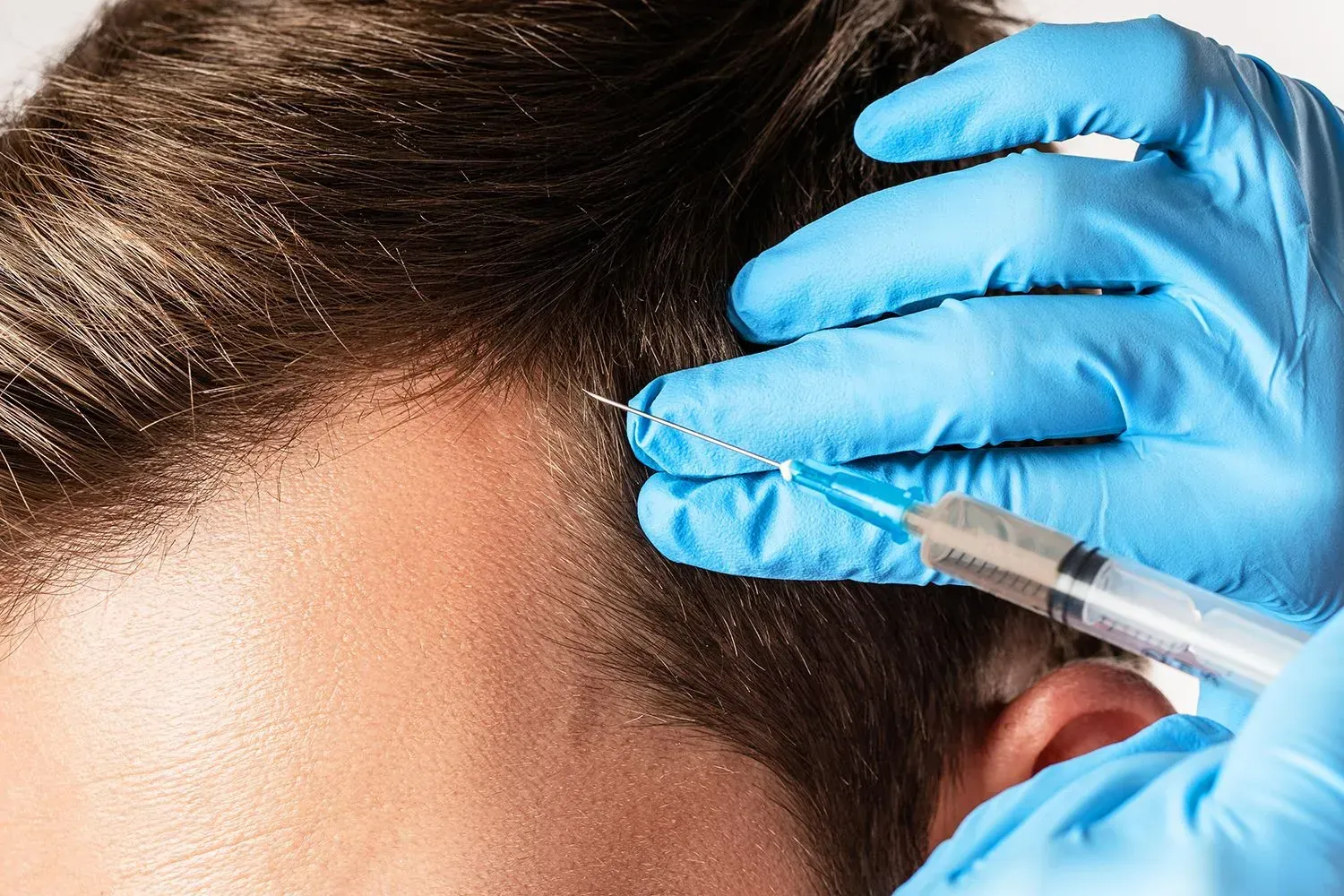
PDO threads, short for polydioxanone threads, are dissolvable sutures placed just beneath the skin through a minimally invasive procedure. Once inserted, they serve two distinct functions that are especially valuable for post-weight-loss skin changes.
First, the threads create an immediate physical lift. They act as a supportive structure under the tissue, repositioning areas that have begun to sag along the jawline, cheeks, and neck. This mechanical lift is visible almost immediately and provides the kind of defined contour that semaglutide patients are often hoping to recapture once their weight goal is reached.
Second, and equally important for long-term results, is the biological response the threads trigger. The body recognizes the PDO material and initiates a controlled healing response. This stimulates the production of new collagen, elastin, and hyaluronic acid directly within the treated tissue. Over the following weeks and months, this new collagen thickens and strengthens the skin from within, improving texture, firmness, and elasticity in ways that outlast the threads themselves.
For someone who has undergone medical weight loss and is left with lax skin on the lower face and neck, this combination of an immediate lift and ongoing collagen remodeling is a clinically sound solution that does not require surgery, general anesthesia, or weeks of recovery.
Areas PDO Threads Address After Medical Weight Loss
The most common areas where patients notice skin laxity after semaglutide-related weight loss align closely with the areas PDO threads treat most effectively. These include:
Jawline and jowls. One of the earliest signs of post-weight-loss facial change is a softening of the jaw border. Fat reduction in the lower face can leave the skin loose and create jowling that was not present before. PDO threads placed along the jawline restore a clean, defined lower face contour.
Cheeks and midface. As the cheeks lose volume, the overlying skin can fall forward or downward, flattening what was once a lifted midface. PDO threads help reposition this tissue and stimulate collagen to add back some of the structural support that was lost.
Neck and submental area. The neck is particularly prone to laxity after weight loss. PDO threads placed in this area tighten loose skin, improve the appearance of the neck-to-chin angle, and reduce the soft, undefined texture that often appears after fat is lost quickly.
Brow and under-eye area. For patients whose weight loss has also affected the upper face, PDO threads can provide a subtle lift to a heavy or descending brow and refresh the appearance of tired or hooded eyes.
At Élu Med Spa, each treatment plan is built around the individual. A consultation with Josie allows for a thorough assessment of where the laxity is most pronounced and which thread placements will create the most natural and balanced outcome.
What to Expect During and After PDO Thread Treatment
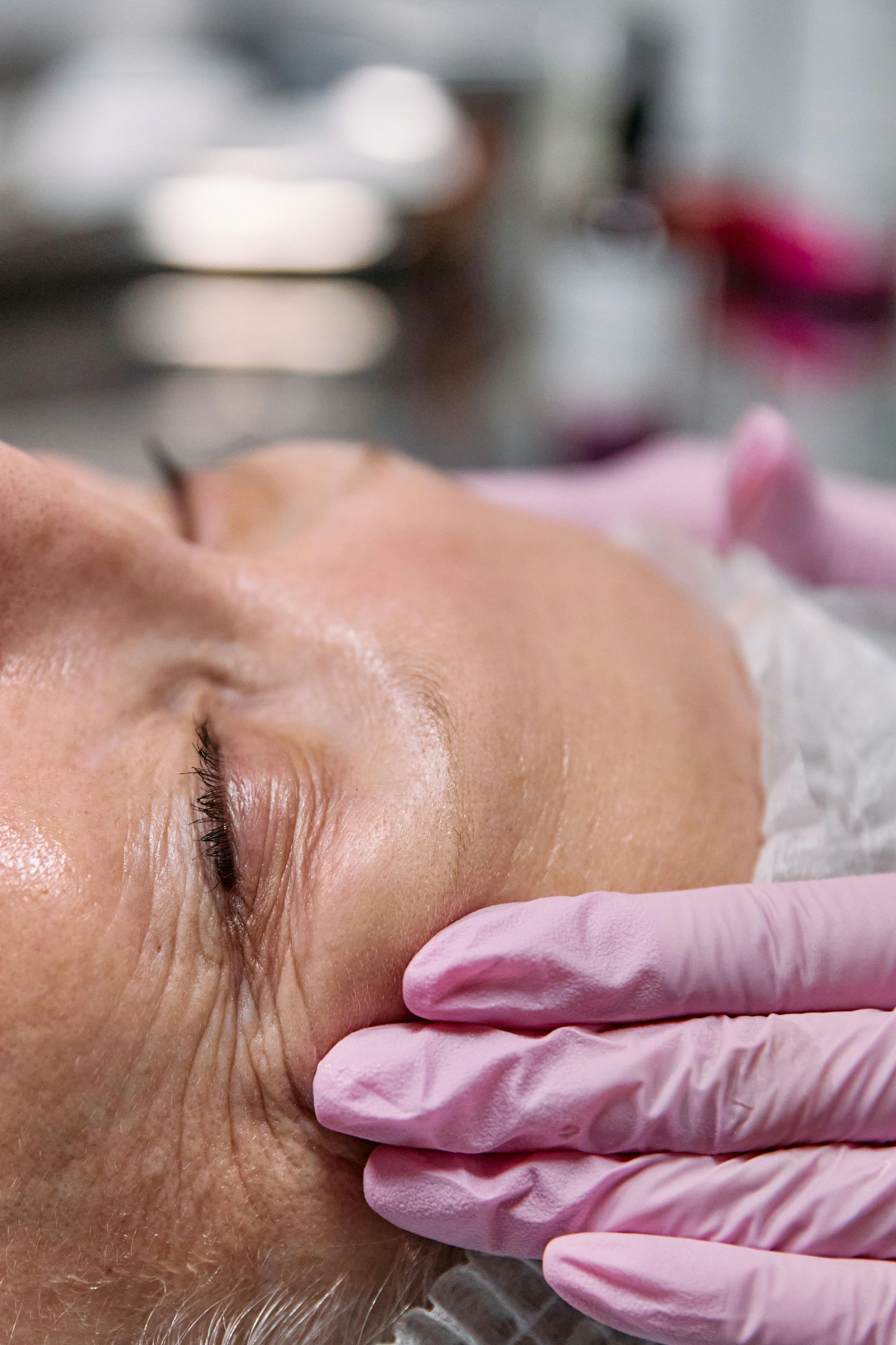
PDO thread treatment at Élu Med Spa is performed in the office and typically takes less than an hour.
After the treatment, mild swelling, tenderness, and occasionally light bruising can occur in the first few days. These are normal responses and resolve on their own. Most patients return to their regular activities within one to two days. Strenuous exercise and aggressive facial movements are typically restricted for a short period to allow the threads to settle properly.
Results begin to show immediately in the form of a lifted, firmer appearance. Over the following six to eight weeks, as new collagen forms, the skin continues to improve in quality and firmness. Final results are typically visible around three months post-treatment and can last up to two years. Patients on ongoing semaglutide treatment may find that combining threads with their weight loss program helps them maintain a consistently polished appearance as their body continues to change.
How PDO Threads Fit Into a Medical Weight Loss Aesthetic Plan
Semaglutide and other GLP-1 medications represent a significant advance in accessible, medically supervised weight loss. At Élu Med Spa, the medical weight loss program is designed to support patients through that entire experience, including the aesthetic changes that accompany it.
PDO threads are one component of a broader restorative approach that may also include neurotoxin treatments like Botox to address expression lines, skin quality treatments like microneedling or IPL to improve texture and tone, and medical-grade skincare to support the skin barrier as the body continues to change. Together, these treatments help patients look as well as they feel after achieving their weight loss goals.
Because the face changes gradually during weight loss, timing matters. Many providers recommend waiting until weight has stabilized before pursuing PDO threads, as ongoing fat loss can shift the results. Josie will help you determine the right moment to begin thread treatment based on your progress and specific aesthetic goals.
To learn more about medical weight loss with semaglutide at Élu Med Spa, visit the
Medical Weight Loss page. To learn more about PDO threads and what the treatment involves, visit the
PDO Threads page.
Frequently Asked Questions
What causes loose skin after weight loss injections like semaglutide? Semaglutide helps the body lose fat at a faster rate than many people experience through diet and exercise alone. When fat volume decreases quickly, especially in the face and neck, the skin does not always have time to contract and tighten on its own. This is because collagen and elastin production respond slowly to structural changes in the body. The result is visible laxity in areas that were previously supported by fat tissue.
Are PDO threads safe for patients currently on semaglutide? PDO threads are generally considered safe for patients who are actively using semaglutide, particularly once dosage has stabilized. However, because weight loss may be ongoing, your provider at Élu Med Spa will discuss the ideal timing for treatment to ensure the best and most lasting results. A thorough consultation will account for your weight loss progress and overall health before any treatment is performed.
How many PDO thread sessions will I need after medical weight loss? Most patients see significant improvement from a single treatment session. Depending on the degree of skin laxity and the areas being addressed, a second session may be recommended after several months. Many clients also choose a maintenance treatment once a year to preserve results as collagen continues to break down naturally over time.
How long do PDO thread results last after weight loss? Results from PDO threads typically last up to two years. The timeline depends on factors like the amount of skin laxity present, the number of threads placed, your age, and how your skin responds to collagen stimulation, but typically 18-24 months. Patients who support their results with a consistent medical-grade skincare routine often notice prolonged improvements in firmness and texture.
Will PDO threads replace dermal fillers after weight loss? PDO threads and dermal fillers address different aspects of facial aging and volume loss. Threads lift and tighten loose tissue and stimulate collagen. Fillers restore lost volume directly. Many patients who have undergone medical weight loss benefit from both, used strategically to restore structure and firmness at the same time. Josie will assess your face and recommend the combination that best addresses your specific concerns.
Is there any downtime after PDO thread treatment? Most patients return to normal daily activities within one to two days. Mild swelling, soreness, and occasional light bruising in the treated areas are common and temporary. You will be given specific aftercare instructions to follow for the first week, which typically include avoiding intense physical activity, heat exposure, and excessive facial movement while the threads settle into position.
How do I know if I am a candidate for PDO threads after medical weight loss? If you have completed or are nearing the end of your active semaglutide treatment and you are noticing sagging skin along the jawline, jowls, cheeks, or neck, you may be an excellent candidate for PDO threads. The best way to know is through a personalized consultation at Élu Med Spa, where Josie will evaluate your skin, your treatment history, and your goals to create a plan that makes sense for you.